Whatever Happened to Sertab Erener, the woman who made Turkey cool at Eurovision 2003?
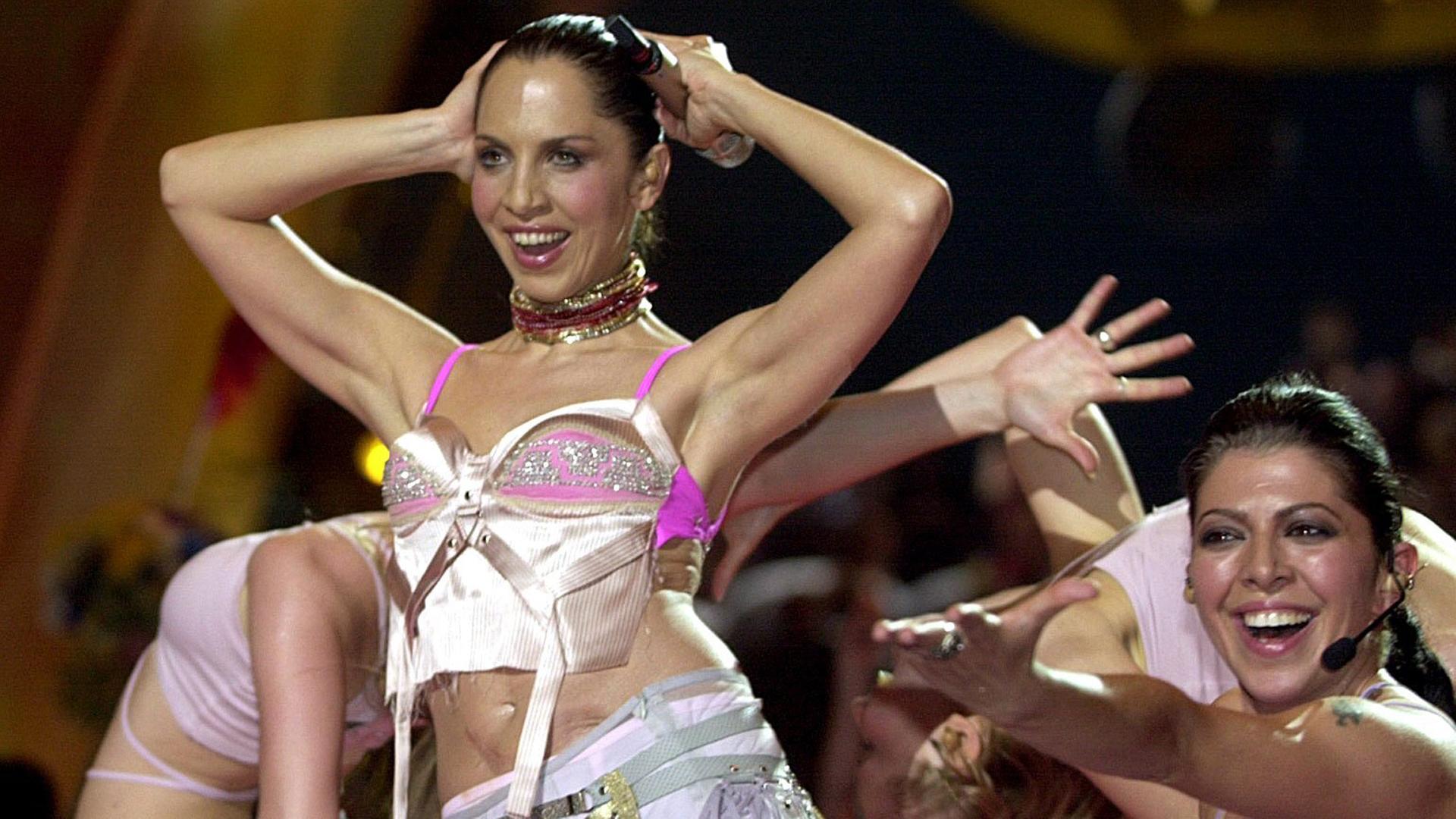
Before TikTok trends, before Spotify algorithms, before the world decided that standing still and whisper-singing counted as stage presence, there was Eurovision 2003. A simpler time: MSN Messenger was king, you still had to pay for ringtones, text messages cost 10p each, and the British charts were ruled by Girls Aloud, Busted and Gareth Gates’ hair gel.
And right in the middle of that world – before Måneskin, before Loreen 2.0, before half of Europe started screaming into wind machines – something genuinely unexpected happened.
Turkey won Eurovision.
And the woman who did it was Sertab Erener: red outfit, lethal ponytail, choreography sharper than a BBC complaint letter, and a song that mixed Europop with Middle-Eastern hooks long before “cultural fusion” became a lazy playlist label.
Everyway That I Can didn’t just win. It set the arena on fire.
167 points.
First Turkish victory.
Half of Europe dancing.
The other half Googling “how do you pronounce Erener”.
She wasn’t a one-hit contest product – she was already a star
Unlike so many Eurovision winners who vanish into the “whatever happened to?” folder of pop history, Sertab didn’t start in 2003. She’d already survived the Turkish music industry, chronic illness, classical training, and several attempts at the contest before Europe even noticed her.
Born in Istanbul in 1964, trained as a lyrical soprano, discovered and mentored by Sezen Aksu – basically the godmother of Turkish pop – Sertab was already filling arenas at home while UK audiences were busy arguing about whether Will Young or Gareth Gates could hit the higher note.
She even tried to represent Turkey earlier, but was rejected for being “too modern” and “not traditional enough”.
Which is hilarious, considering she won with belly-pop fusion, dancers, English lyrics and zero sign of the cliché Turkey had been sending for decades.
2003 wasn’t just a win – it was a cultural reset
Turkey used to be the country that placed 16th, blamed geopolitics, and went home. Then Sertab arrived, and in three minutes everything changed: the sound, the staging, the attitude, and even Greece gave Turkey 8 points, which for anyone familiar with Mediterranean politics, is basically a peace treaty in sequin form.
It wasn’t just a performance. It was a statement:
Turkey was modern. Turkey was pop. Turkey was European, whether the EU liked it or not.
What came after? Spoiler: she didn’t fade into a trivia question
If the only thing you remember about Sertab is Everyway That I Can, the problem is your playlist, not her career. She didn’t vanish into the post-Eurovision void where most winners eventually go to hibernate. Quite the opposite: she kept evolving, recording, and refusing to become a museum piece.
After the victory, she released new albums in Turkish, English and even Greek, jumped from pop to jazz to electronic textures, and later revisited her own catalogue with a full orchestral reinterpretation — the kind of artistic move only possible when you’re not held hostage by one song. She spent years touring, mentoring young artists as a coach on The Voice Turkey, and even found time to lend her voice to UN-backed environmental and social campaigns.
And because some icons age gracefully instead of desperately, she revisited Everyway That I Can in 2023 with an acoustic version: same melody, different pulse, proof that a song written for a catwalk of sequins can also survive in daylight.
Asked whether she’d ever dare to return to Eurovision, she didn’t blink, didn’t beg, didn’t do nostalgia.
Just one line, clean and sharp enough to frame:
“I would return… if my country did.”
Still a winner. Still in control.
Ah yes, Turkey left Eurovision
In 2013, Turkey said goodbye to the contest, citing complaints about voting, juries and “cultural imbalance”.
Translation: politics, ego and a government that wasn’t thrilled about Eurovision becoming progressively queerer, louder and more rainbow-coloured every year.
So Turkey stayed out. Sertab didn’t.
Which leaves her in a very rare category:
a Eurovision winner no one has replaced, because her own country never came back.
The real legacy
Sertab didn’t just win a trophy. She changed the way Turkey saw Europe and the way Europe heard Turkey. She proved a Middle Eastern-rooted pop artist could win on a Western stage without diluting herself, and opened doors that outlasted the glitter.
And two decades later, when that beat drops and the famous nanana kicks in, the memory hits instantly:
Eurovision wasn’t always ballads on top of LED cubes.
Sometimes, it was fire, drums, hips, strings… and a woman who really could do it every way that she can.