Noa Kirel Fires Back After Eurovision Boycotts: “Music Builds Bridges — Some Broadcasters Prefer Walls”
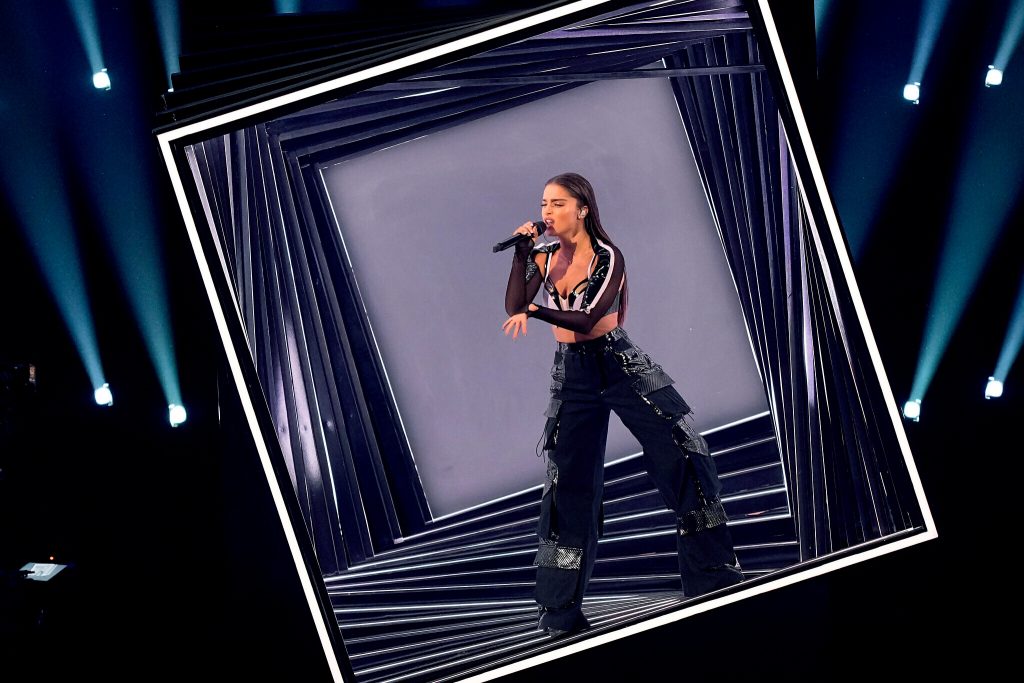
The Eurovision drama carousel is spinning faster than ever, and this time it’s Israeli pop powerhouse Noa Kirel stepping into the spotlight. After Ireland, Spain, Slovenia and the Netherlands announced they would boycott the 2026 contest over Israel’s participation, Kirel responded in an interview with the BBC… and let’s just say she didn’t come to whisper.
Kirel called herself “deeply disappointed” by the accusations of humanitarian crimes levelled at Israel, insisting that Eurovision should be “a bridge, not a wall.” A beautifully idealistic sentiment — one that might sound more convincing if the bridge in question weren’t currently held together by duct tape courtesy of the EBU’s crisis-management department.
“Some countries are allowing politics to destroy the celebration,” she said, stressing that Israel had not broken any Eurovision rules. And technically, she’s right — the rulebook remains unchanged, laminated, and carefully unexamined by the EBU whenever geopolitics becomes inconvenient.
But it didn’t take long for Kirel to push back harder, pointing to the context of the conflict that boycotting broadcasters, in her view, conveniently ignore.
“On October 7, Israel did not attack anyone,” she said. “Israel was brutally attacked… Israel defended itself — just as any other country would.”
She dismissed the boycott as discriminatory rather than principled. “Boycotting Israel is antisemitism. A political boycott of Israel is not only an attack on Israel but on everything Eurovision stands for.”
A bold declaration — and one that neatly places Eurovision’s mounting chaos back at the EBU’s doorstep. Because if four broadcasters walk out, two former winners return their trophies, and artists across Europe scream into the void… perhaps the annual song contest isn’t as apolitical as the EBU insists, year after year, through increasingly gritted teeth.
Kirel, who came third for Israel in 2023 and has since become one of the country’s most recognisable cultural exports, ends on a familiar Eurovision note: hope that music can unite, not divide. It’s a lovely sentiment — Eurovision thrives on lovely sentiments — but whether unity is still on the playlist for 2026 remains very much in the hands of the same organisation currently trying to pretend the house isn’t on fire.
Israel is still expected to compete.
The boycotts are still growing.
And Eurovision… well, Eurovision is still Eurovision: fabulous, fractious, and forever two steps away from total meltdown.
Source: Israelnationalnews