Malta’s MESC 2026 hosts feel less like presenters and more like a statement
Sometimes a national final tells you what it wants to be without saying it out loud.
Malta is doing exactly that with Malta Eurovision Song Contest 2026.
Instead of going for novelty or surprise names, Public Broadcasting Services has gone for something else entirely. Familiarity. Memory. Faces people already trust.
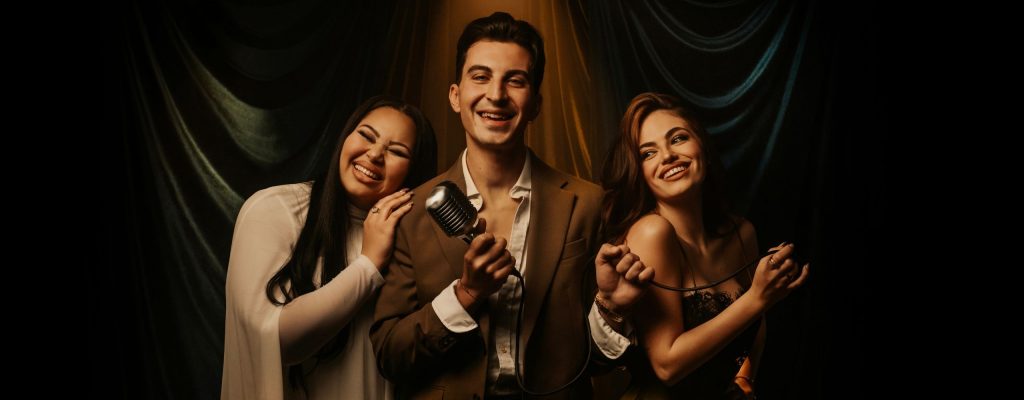
The hosts this year are Keane Cutajar, Destiny Chukunyere and Gaia Cauchi. And honestly, that combination already says more than most press releases ever will.
Keane holds the room. That matters.
Let’s start with Keane Cutajar. He’s not flashy. He’s not there to steal the spotlight. And that’s exactly why he works.
Live TV needs someone who doesn’t panic. Someone who knows when to fill time and when to get out of the way. Keane has done this before. You can tell. He’s the kind of presenter who keeps the show upright when the autocue freezes or the music starts late.
Every national final needs that person.
Destiny and Gaia aren’t “just” co-hosts
Then you add Destiny and Gaia, and suddenly this stops being a normal hosting line-up.
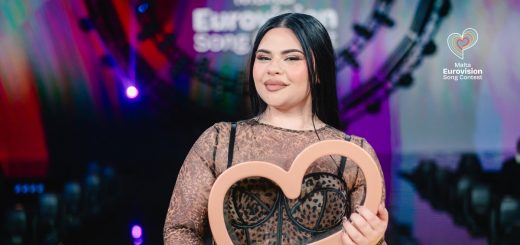
Both of them won Junior Eurovision. Both of them are part of Malta’s Eurovision identity, whether people outside the island realise it or not. Destiny went on to the main contest. Gaia represents where that journey often begins.
Putting them on stage as hosts feels deliberate. Almost symbolic.
This isn’t “let’s invite a former contestant for nostalgia”. This is Malta saying: these are the people who lived it. Who know the nerves. Who understand what this night means.
The theme suddenly makes sense
This year’s theme is “L-ewwel lejla li ħabbejt”. You never forget your first.
You don’t need to overthink it. Destiny and Gaia are literally that theme walking around the stage. First wins. First big moments. First time everything changed.
It’s not subtle. But it doesn’t need to be.
This isn’t about hype
MESC 2026 runs over two live shows. There will be songs. Rankings. Arguments online. All of that will happen anyway.
But the choice of hosts feels less about hype and more about tone. Calm confidence instead of chaos. People who know what Eurovision pressure actually feels like, not just how it looks on camera.
That’s a choice. And a smart one.
Malta doesn’t seem interested in pretending this is something new or reinvented. It’s leaning into what it already has. Experience. Memory. A very specific Eurovision history.
Sometimes that’s enough.
And sometimes, just by looking at who’s holding the microphones, you already know what kind of show you’re about to watch.
Source: PBS