Eurovision 2026 gets a voting makeover: the EBU’s not panicking, it’s “evolving” (apparently)
For an organisation that keeps insisting it is above all politics, the European Broadcasting Union is suddenly very, very busy rewriting the rules of its own game. After Eurovisión 2025 raised more eyebrows than a 2000s eyebrow piercing brochure, the EBU has now unveiled a new voting framework for Eurovision 2026, complete with tighter controls, stricter guidelines and a polite but desperate attempt to convince everyone that everything is, in fact, totally fine.
Officially, they “listened”. Unofficially, they blinked.
And when the EBU blinks, you know something serious went down behind the scenes.
The headline change is beautifully symbolic: the maximum number of votes has been slashed from 20 to 10 per person, per payment method. In other words: calm down, mobilised fan armies. The days of unloading your entire monthly salary on one entry are… not gone, but significantly less fun.
But don’t worry. They’re framing it as “encouraging people to spread their love”. Which is diplomatic code for “stop trying to hijack the scoreboard with your cousin’s entire WhatsApp group”.
That’s not all. After three years of pretending juries were a bad idea, professional juries are officially back in the Semi-Finals. The system returns to a more polished 50/50 split between public and jury votes, because apparently “random internet chaos” has been rebranded as “needing balance.”
This time, those juries are also getting a glow-up: more members, more diversity, and even two jurors aged 18–25 in every panel. Eurovision has finally discovered that young people exist, and yes, they can vote without using TikTok filters.
Meanwhile, the EBU is quietly clamping down on over-the-top promotional campaigns, especially those that may or may not be suspiciously well-funded. Any country, broadcaster, artist or anonymous uncle who tries to bypass the system with aggressive third-party promotion can now expect actual consequences. Shocking concept, I know.
And because this is 2026 and paranoia is practically a sponsor, they’ve also invested in enhanced anti-fraud systems. Translation: armies of algorithms will now stalk suspicious voting patterns like a Eurovision-obsessed ex.
None of this has anything to do, officially, with politics. Obviously.
But when new rules appear right as certain countries, broadcasters and governments start circling the contest like sharks at a glitter convention, it’s hard not to notice the timing. Even Martin Green, the Contest’s director, dropped the PR-filter for a second, admitting the EBU is keen to avoid Eurovision being “instrumentalised”. Which is a very polite way of saying: stop using our sparkly stage as your personal battlefield.
All roads now lead to the December EBU General Assembly, where members will decide if these tweaks are enough to keep everyone onboard. There won’t officially be a vote on participation, but if you believe that, you probably still believe televoting is about love.
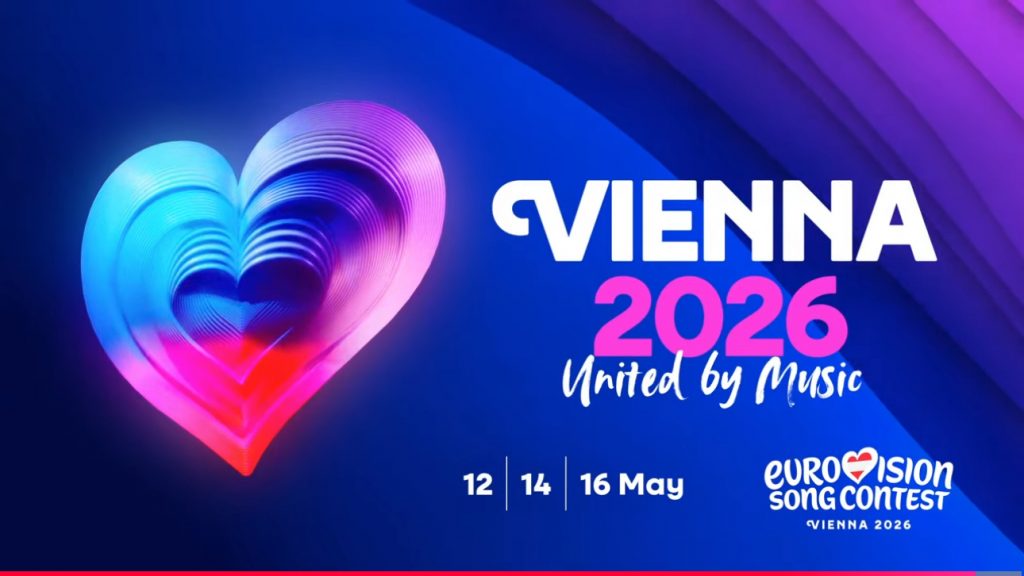
What’s certain is that Eurovision 2026 in Vienna is already shaping up to be less about key changes and more about damage control in Dolby Surround. With 90,000 tickets expected to drop, 800 volunteers being hunted down and Austria promising it will “top Basel”, the biggest show on Earth is once again trying to prove that nothing is on fire. While definitely standing in a warm glow.
United by music.
Supervised by spreadsheets.
Guarded by lawyers.
Source: EBU