Alexander Rybak Is Back — and Melodi Grand Prix 2026 Instantly Feels Different
Some Eurovision news makes you nod politely.
This one makes you stop scrolling.
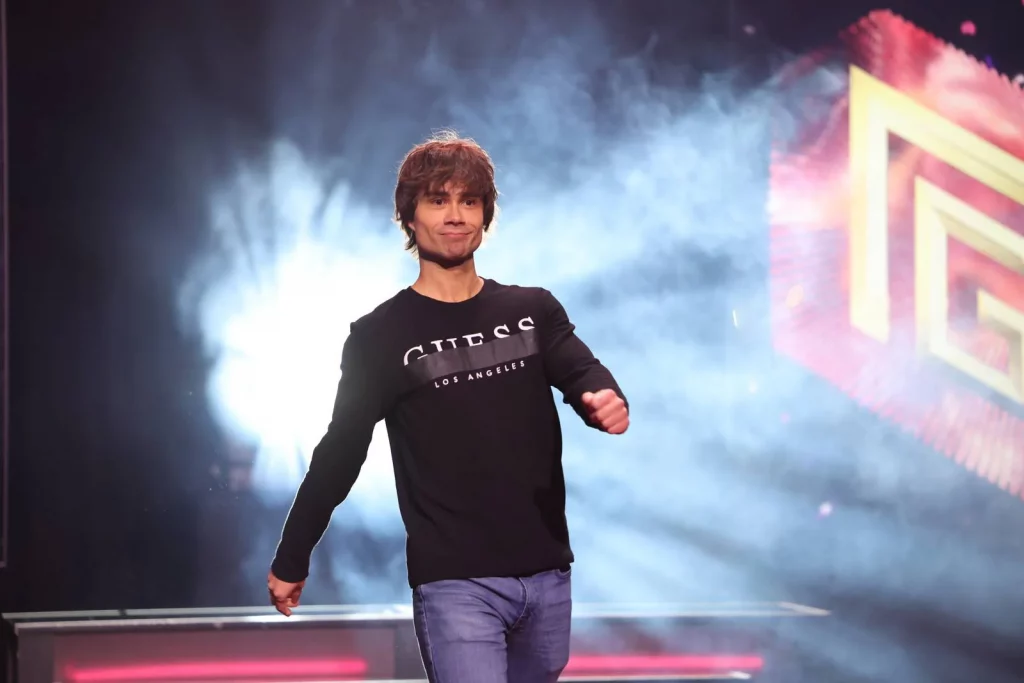
Yes, it’s official: Alexander Rybak is returning to Melodi Grand Prix in 2026. And whether you love comebacks, fear them, or pretend you’re totally normal about them, this changes the temperature of the room immediately.
Suddenly, MGP doesn’t feel like just another national final announcement. It feels personal.
A Name That Carries a Lot of Memory
Rybak isn’t just “another former winner”. He’s that winner.
The man who turned “Fairytale” into a Eurovision reference point at the Eurovision Song Contest 2009. The violin. The smile. The sense that Europe collectively agreed, for three minutes, that this was exactly what Eurovision should be.
He came back once already, in 2018. Not to chase ghosts, but to remind everyone that he’s more than a moment frozen in time. And he won again. Now, in 2026, he’s stepping into Melodi Grand Prix again with a song called “Rise”.
That title alone feels like a quiet statement.
This Doesn’t Feel Like a Gimmick
What’s interesting here is how… calm this return feels.
Rybak wasn’t announced as a shock twist or a dramatic reveal. He’s simply part of the first batch of artists unveiled by NRK at their Oslo studios, standing there like someone who knows exactly why he’s back.
No fireworks. No over-explaining. Just presence.
And that’s what gives this comeback weight. It doesn’t scream nostalgia. It suggests confidence.
“Rise” Isn’t Trying to Be “Fairytale” — and That’s the Point
Nobody expects lightning to strike in exactly the same way twice. Rybak probably understands that better than anyone.
This isn’t about recreating 2009. It’s about showing up in 2026 as an artist who has lived, worked, returned, stepped back, and chosen to come back again. Melodi Grand Prix isn’t a shortcut for him. It’s home turf.
And there’s something quietly reassuring about seeing Norway treat its Eurovision history as something you can revisit without embarrassment.
The Rest of the Line-Up (Yes, They Exist Too)
Alongside Rybak, NRK revealed seven other acts for now:
- Emma – Northern Lights
- Hedda Mae – Snap Back
- Jonas Lovv – Ya Ya Ya
- Leonardo Amor – Prayer
- Mileo – Frankenstein
- Silke – Forevermore
- Storm – Lullaby
A ninth finalist will be chosen via a radio duel on Nitimen, with the audience voting their way into the final. All nine songs will be released on 26 January, which is when opinions will truly start forming.
Melodi Grand Prix has reinvented itself more than once in recent years, and that’s healthy. But having someone like Rybak back in the mix creates a bridge between eras. Between viewers who remember 2009 vividly and those who discovered Eurovision much later.
Whether he wins or not almost feels secondary.
Because the moment his name appeared on that list, Melodi Grand Prix 2026 stopped being just a date on the calendar and became a conversation.
And that, in Eurovision terms, is already a small victory.
Source: NRK