RTVE vs EBU: Spain refuses to soften its position on Israel at Eurovision 2026
What is supposed to be a pastel-soaked celebration of glitter, unity and key changes has quietly turned into one of the most uncomfortable political standoffs in the Contest’s modern history. In Madrid, RTVE has made it painfully clear that its position has not shifted even a millimeter: if Israel remains in the competition, Spain will not pretend this is “business as usual”.
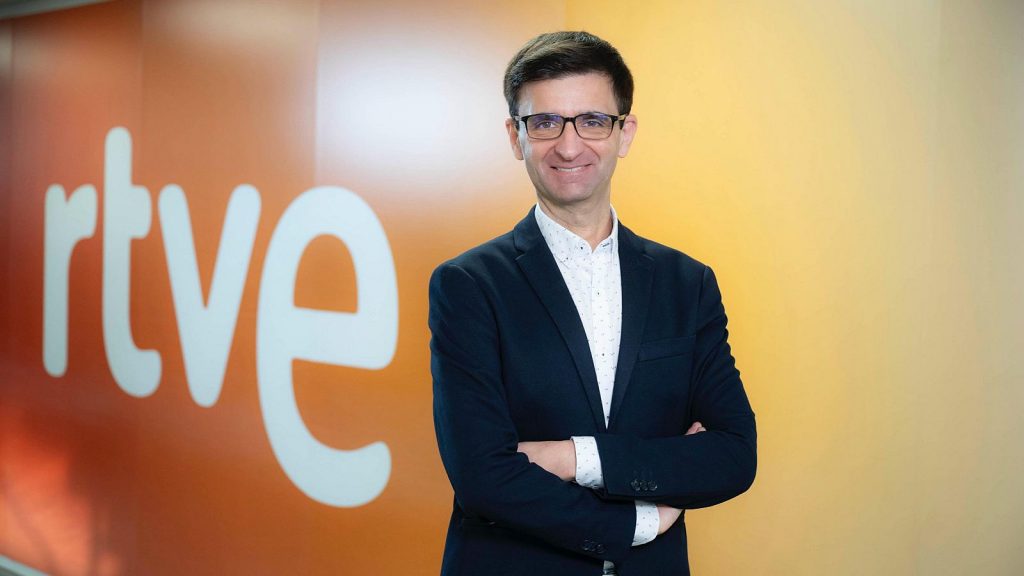
In front of the Spanish Parliament this afternoon, José Pablo López, president of the Spanish public broadcaster, did not soften a single word. On the contrary. He repeated — calmly, but firmly — that Israel’s participation in Eurovision 2026 is, in RTVE’s view, untenable. Not because of music, and certainly not because of staging or vocals, but because of what Spain considers a deep and repeated violation of human rights and political misuse of the Contest over the past two editions.
Behind the institutional language lies a simple message: Eurovision is not a neutral vacuum anymore. And pretending otherwise, López hinted, is an insult to everyone’s intelligence.
The EBU, meanwhile, is trying to sell its latest “reforms” as a technological and ethical clean-up. A reduced voting limit. Enhanced monitoring for bloc voting. The return of juries to the semi-finals. All very neat on paper. All very useless, Spain argues, if the core issue remains untouched: that KAN, the Israeli broadcaster, has repeatedly broken the Contest’s spirit and rules without consequence.
That is where the real fracture begins.
While the EBU publicly insists on “unity through music”, several broadcasters are now calling its bluff. Ireland has not retreated from its position. Slovenia is on the brink of withdrawal, with internal documents suggesting the decision is close to final if Israel is allowed to remain. And now Iceland has thrown fuel onto an already volatile fire: the board of RÚV has formally urged the EBU to exclude Israel from the 2026 edition, a recommendation approved by the majority of its governing body and presented by chairman Stefán Jón Hafstein.
Even in Reykjavik, the question is now not about ratings but about reputation. Whether or not Iceland ends up participating, the message was unambiguous: the current situation is morally, culturally and politically unsustainable.
Yet, in Geneva, the mood is different. Very different.
Inside the EBU corridors, there is a growing reluctance to open a formal vote on Israel’s position. According to several European broadcasters, such a vote would expose a deeply divided Union and confirm that Eurovision 2026 in Vienna is already limping before a single note has been sung. So instead, the organisation is betting on process: more rules, more committees, more polished language, hoping that fatigue will replace resistance.
Spain, however, seems strangely immune to that fatigue.
López even questioned the EBU’s own logic when it claimed that “broadcasters, not governments, take part in Eurovision”. If that were truly sacred law, he pointed out, then why do Russia and Belarus remain banned? Either the Contest has standards — or it doesn’t. And if it does, Spain is daring the EBU to finally act like it.
Behind the official statements and diplomatic smiles lies the truth no press release can successfully hide: Eurovision 2026 is shaping up to be the most politically fraught edition of the last two decades. Not because countries want to politicise it, but because pretending everything is fine has become an almost grotesque performance in itself.
And Spain? Spain, for once, has decided to stop dancing.
Source: El Pais