Eurovision quietly moves online… and accidentally hints at a much smaller 2026
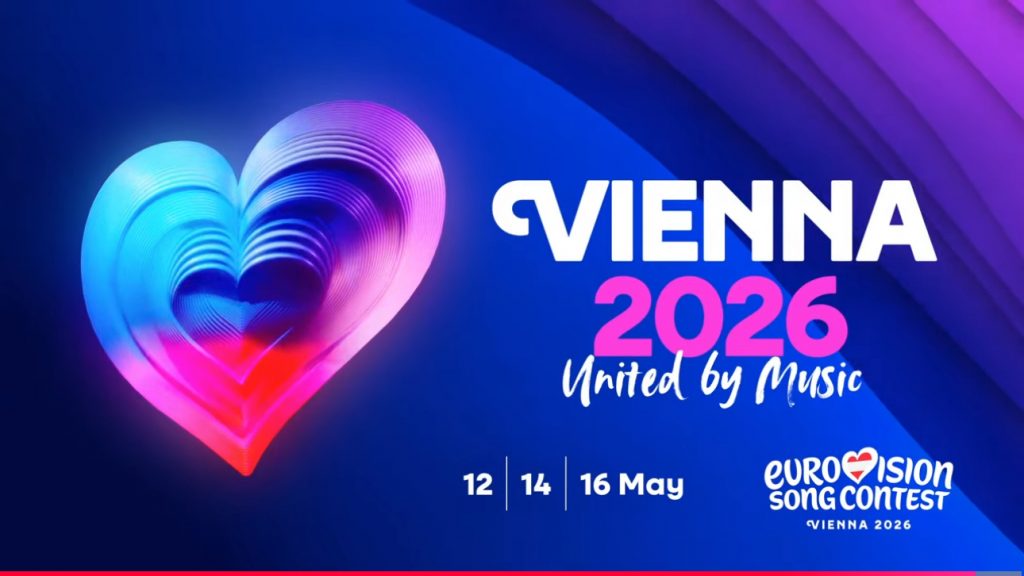
Eurovision didn’t just pack its bags for Vienna. It’s also quietly changed its digital address. As of today, the official home of the Eurovision Song Contest is no longer eurovision.tv. The new HQ is eurovision.com and it didn’t arrive empty-handed. Along with the shiny new URL came ticket registration for Eurovision 2026, a brand-new Eurofan account system, and one rather suspicious line suggesting that only around 35 countries may take part in Vienna.
That number alone is enough to make the Eurovision bubble go very, very quiet.
The Eurofan account: small login, big consequences
If you want tickets to Vienna 2026, you now need one thing before anything else: a Eurofan account. No account, no tickets. Simple. The account isn’t just a login either. It’s being sold as a full-blown fan passport, with access to exclusive content, official merchandise, personalised features and, crucially, the right to stand in line for Eurovision tickets.
Here’s how the first ticket wave actually works:
- Registration closes: 18 December at 23:59 CET
- Confirmation emails sent: 9 January
- Access codes delivered: 11 January
- Tickets on sale: 13 January at 13:00 CET
- Maximum per person: 4 tickets
All ticket purchases go through oeticket.com and the same email address must be used for both platforms. No shortcuts. No second chances.
It’s streamlined, modern… and slightly terrifying for anyone who has ever tried to buy Eurovision tickets during a digital war.
“Around 35 countries”: the line that changed everything
Buried inside the confirmation email sent to fans who register is a phrase that nobody at the EBU has publicly addressed yet: that “around 35 countries” will be taking part in Eurovision 2026.
Around 35.
Not 40. Not 41. Not even the usual 37-38 that have become standard in recent years. Thirty-five would make Vienna 2026 the smallest Eurovision since 2004, the year the semi-final format as we know it today was born.
Of course, it could be a placeholder. A minimum. A safety number.
But given the very real threat of withdrawals if Israel is allowed to participate, and the simultaneous return of Bulgaria, Romania and Moldova, the maths suddenly starts to look disturbingly logical.
If several countries walk away and only a handful return, 35 stops looking like a typo and starts looking like a warning.
10 December: the unofficial deadline of doom
Broadcasters have until 10 December to withdraw from Eurovision 2026 without facing any financial penalties. Before that happens, however, the real moment of truth will be the EBU General Assembly on 4 and 5 December in Geneva.
That is when:
- Israel’s participation will be finalised
- Opposing broadcasters must define their final stance
- The real shape of Eurovision 2026 will become clear
After that meeting, the list may not be official on paper, but it will be… effectively locked.
And if that confirmation email is correct, fans may need to prepare for a contest that looks very different from what they’re used to.
A shiny new website… in the middle of an identity crisis
The launch of eurovision.com feels slick, ambitious and necessary. A modern database of all 70 editions, improved accessibility for users with disabilities, future integration of the Eurovision app and Junior Eurovision content… all the right technical moves.
But behind the glossy redesign, Eurovision is facing something it can’t solve with a web update: credibility, trust and political pressure.
The stage is ready. The platform is live. The tickets are coming.
The only real question left is: who will still be there to sing?
Source: Eurovision.com/EurovisionFun